Defining the Role of an Armed Security Officer: Understanding Armed Security Officer Roles
- houstonpatrolinc
- Apr 7
- 3 min read
Security is a critical concern for businesses of all sizes. Protecting assets, employees, and customers requires a clear understanding of the roles involved in maintaining safety. Among these roles, the armed security officer plays a vital part. Their responsibilities go beyond simple surveillance and require specialized skills and training. In this article, I will define the role of an armed security officer, explain the key duties involved, and provide practical insights into how they contribute to a secure environment.
Understanding Armed Security Officer Roles
Armed security officers serve as a frontline defense for businesses. Their presence alone can deter criminal activity and provide reassurance to employees and visitors. The roles they fulfill are diverse and tailored to the specific needs of the business they protect.
Some of the primary responsibilities include:
Access Control: Monitoring entrances and exits to prevent unauthorized entry.
Patrolling: Conducting regular patrols of the premises to identify and respond to suspicious activity.
Emergency Response: Acting swiftly in emergencies such as fires, medical incidents, or security breaches.
Conflict Resolution: Managing confrontations calmly and professionally to de-escalate potential threats.
Surveillance: Using technology and observation skills to monitor the property effectively.
Each of these tasks requires a high level of vigilance and professionalism. Armed security officers must be trained not only in the use of firearms but also in communication, legal regulations, and customer service.

Training and Certification Requirements
The role of an armed security officer demands rigorous training and certification. This ensures they can perform their duties safely and legally. Training typically covers:
Firearms Handling: Safe use, maintenance, and storage of weapons.
Legal Knowledge: Understanding laws related to the use of force, self-defense, and detention.
First Aid: Basic medical training to assist in emergencies.
Conflict Management: Techniques to handle aggressive behavior without escalating violence.
Report Writing: Documenting incidents accurately for legal and administrative purposes.
Certification requirements vary by state but generally include background checks, psychological evaluations, and ongoing education. This training prepares officers to act decisively and responsibly in high-pressure situations.
Do armed security get paid more?
Compensation for armed security officers often reflects the increased responsibility and risk associated with carrying a weapon. Salaries can vary based on factors such as location, experience, and the employer's industry.
Higher Pay Scale: Armed officers typically earn more than unarmed security personnel.
Overtime Opportunities: Many positions offer overtime pay due to the need for 24/7 coverage.
Benefits: Some employers provide health insurance, retirement plans, and bonuses.
For example, in Texas, armed security officers working for corporate clients or government facilities may receive higher wages compared to those in retail or hospitality sectors. This pay difference acknowledges the specialized skills and potential dangers involved.
The Importance of Communication and Professionalism
An armed security officer must balance authority with approachability. Effective communication is essential for:
Coordinating with Law Enforcement: Sharing information quickly and accurately during incidents.
Interacting with Employees and Visitors: Providing clear instructions and assistance.
Reporting: Writing detailed and objective reports after incidents.
Professionalism builds trust and helps maintain a safe environment. Officers should always act with integrity, respect privacy, and follow company policies.
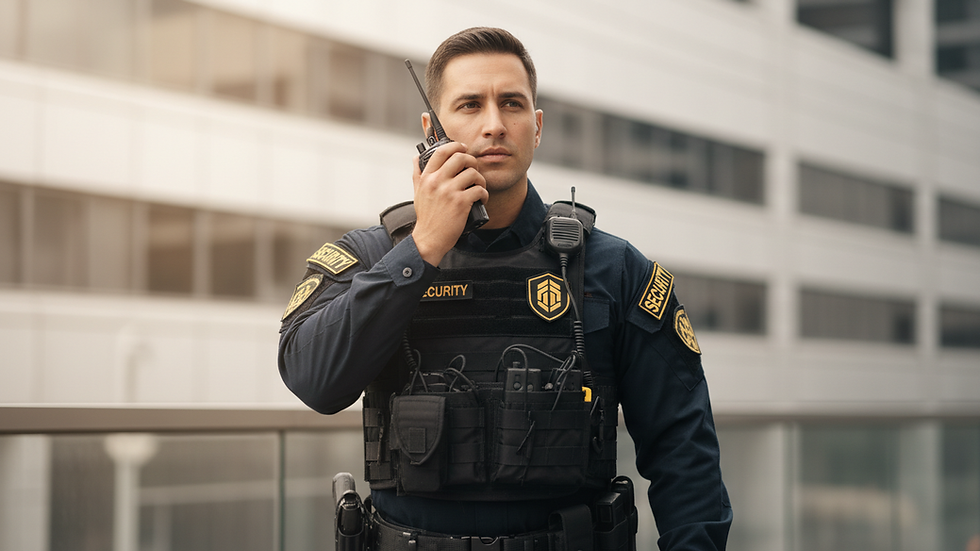
How Armed Security Officers Enhance Business Security
Businesses benefit from armed security officers in several ways:
Deterrence: Visible armed presence discourages theft, vandalism, and violence.
Rapid Response: Officers can intervene immediately in dangerous situations.
Risk Management: Reducing the likelihood of costly incidents and liability.
Customer Confidence: Enhancing the perception of safety for clients and employees.
To maximize these benefits, businesses should clearly define the scope of the officer’s duties and provide ongoing support and training. Collaboration between security staff and management ensures that security measures align with business goals.
Final Thoughts on Armed Security Officer Roles
Understanding the role of an armed security officer is essential for any business seeking to protect its assets and people effectively. These professionals bring specialized skills, training, and a commitment to safety that goes beyond basic security measures. By investing in well-trained armed security officers, businesses can create a secure environment that allows them to focus on their core operations without worry.
Choosing the right security partner is a strategic decision. With the right approach, armed security officers become a valuable asset in maintaining safety and peace of mind.
For more information on how to integrate armed security officers into your security plan, consider consulting with experienced providers who understand the unique needs of businesses in Texas.
This article aims to provide clear and practical insights into the roles and responsibilities of armed security officers, helping businesses make informed decisions about their security staffing.


Comments