Roles of Armed Security Officers
- houstonpatrolinc
- May 11
- 3 min read
Security is a critical concern for businesses of all sizes. Protecting assets, employees, and customers requires a strategic approach. One key element in this strategy is the deployment of armed security officers. These professionals play a vital role in maintaining safety and order. Their responsibilities go beyond simply carrying a weapon. They act as deterrents, responders, and peacekeepers. Understanding their roles helps businesses make informed decisions about their security needs.
The Core Responsibilities of Armed Security Officers
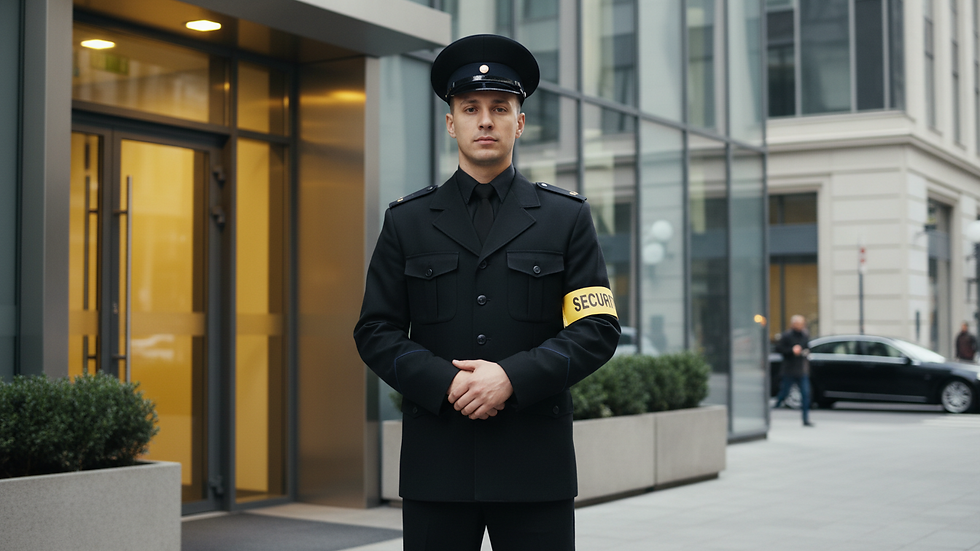
Armed security officers serve as the first line of defense in many environments. Their presence alone can prevent criminal activity. They monitor premises, control access points, and respond to emergencies. Their duties include:
Patrolling: Regular patrols of the property to identify and address potential threats.
Access Control: Checking identification and authorizing entry to restricted areas.
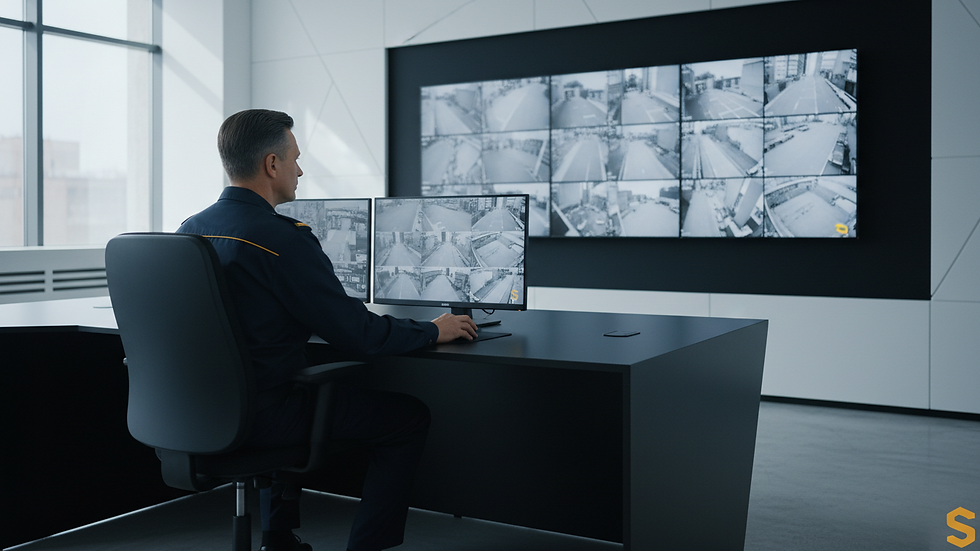
Surveillance: Using cameras and other technology to monitor activity.
Incident Response: Acting quickly in case of theft, violence, or other emergencies.
Reporting: Documenting incidents and suspicious behavior for further action.
These tasks require vigilance, quick thinking, and excellent communication skills. Armed security officers must remain calm under pressure and make decisions that protect people and property.

Why Businesses Choose Armed Security Officers
Businesses often face unique security challenges. Armed security officers provide a higher level of protection compared to unarmed personnel. Their training and equipment allow them to handle more serious threats. This is especially important in industries where valuable assets or sensitive information are at risk.
For example, retail stores with high-value merchandise benefit from armed officers who deter shoplifting and robbery. Corporate offices housing confidential data rely on them to prevent unauthorized access. Event venues use armed security to manage large crowds and prevent violence.
Hiring armed security officers also sends a clear message. It shows a commitment to safety and can reassure employees and customers. This confidence can improve overall business operations by reducing disruptions caused by security incidents.
Do armed security get paid more?
Compensation for armed security officers typically reflects their increased responsibilities and risks. They often earn higher wages than unarmed security personnel. This pay difference accounts for the additional training, licensing, and liability involved in carrying a firearm.
Factors influencing pay include:
Location: Urban areas with higher crime rates may offer better pay.
Experience: Officers with specialized skills or longer service command higher salaries.
Industry: Sectors like banking or government contracts often pay more.
Shift Timing: Night shifts or irregular hours can come with premium pay.
Employers must balance cost with the benefits of enhanced security. Investing in well-compensated armed security officers can reduce losses and improve safety outcomes.
Training and Certification Requirements
Armed security officers undergo rigorous training before deployment. This training covers firearm safety, legal regulations, and conflict resolution. Officers learn how to use their weapons responsibly and when to escalate force.
Key training components include:
Firearms Proficiency: Regular practice to maintain accuracy and control.
Legal Knowledge: Understanding state and federal laws regarding use of force.
Emergency Procedures: Handling situations like active shooters or medical emergencies.
Communication Skills: De-escalating conflicts and coordinating with law enforcement.
Certification is mandatory in most states. Officers must pass background checks and complete continuing education to maintain their licenses. This ensures they remain qualified and up-to-date on best practices.

How Armed Security Officers Enhance Business Operations
Beyond protection, armed security officers contribute to smoother business operations. Their presence reduces theft, vandalism, and workplace violence. This leads to fewer interruptions and lower insurance costs.
They also assist with:
Customer Service: Providing directions and assistance to visitors.
Safety Audits: Identifying vulnerabilities and recommending improvements.
Emergency Coordination: Liaising with police, fire, and medical responders.
Crowd Management: Ensuring orderly conduct during events or peak hours.
By handling security concerns, these officers allow management to focus on core business activities. This improves productivity and creates a safer environment for everyone.
Choosing the Right Armed Security Officer for Your Business
Selecting the right armed security officer involves careful consideration. Businesses should evaluate:
Experience and Training: Verify certifications and relevant background.
Reputation: Check references and reviews from previous clients.
Compatibility: Ensure the officer understands the specific needs of your industry.
Communication: Look for clear, professional interaction skills.
Flexibility: Ability to adapt to changing security demands.
Partnering with a trusted security provider can simplify this process. They handle recruitment, training, and compliance, delivering qualified officers tailored to your requirements.
Armed security officers play a crucial role in protecting businesses across Texas. Their expertise and readiness provide peace of mind and a safer environment. Investing in their services supports long-term success and resilience.

Comments